

Key Takeaways
- Astigmatism changes when the clear front surface of your eye changes its shape.
- Past eye injuries and family genetics play a large role in regular vision updates.
- Long hours on digital screens can add strain and make visual symptoms feel much worse.
- Regular checkups with an eye doctor in Red Deer helps identify changes early.
How Astigmatism Affects Your Daily Sight
Astigmatism changes over time due to factors like family history, physical impacts, and gradual shifts in the shape of your eye. To keep your prescription current and track shifts in your vision, it’s important to schedule regular eye exams. Our team at The Eye Care Centre can help you keep your vision clear and comfortable.
What Shifts Astigmatism Over Time
Astigmatism occurs when the cornea (the clear, front layer of the eye) is irregularly shaped. It can also be present in the crystalline lens inside the eye. Because different parts of the eye bend light at different angles, people with astigmatism have blurry vision at any distance.
A variety of factors can cause astigmatism to change over time. These include:
- Changes over time. Our eyes change shape as we age, and this can lead to astigmatism (or make existing astigmatism worse).
- Other conditions. Some conditions, like keratoconus, cause changes to the shape of our corneas, which can make our vision worse.
- Eye injuries. Some injuries can cause permanent changes to the shape of the eye.
The Role of Eye Trauma & Genetics Role
Your eyes tell a story about your past and your family tree. Both physical impacts and inherited traits change the way you see the world.
Physical Changes from Eye Injuries
Physical trauma can alter the shape or structure of your eyes. Potential causes of physical change include:
- Eye Accidents. High-intensity impacts, like being hit by a baseball, can permanently affect the shape of your eyes.
- Surface Scars. Scars and scratches caused by impacts or other conditions can change how your eyes focus light.
- Surgery. Past medical procedures on your eye modify the curve of the lens over time.
Wearing safety gear can help prevent eye injuries during risky activities.
Family History And Vision
You often inherit your eye shape, just like you inherit your hair colour. If your parents wear glasses for astigmatism, you have a higher chance of needing glasses too. An eye doctor in Red Deer can look at your family medical history to predict future vision changes.
Signs Your Astigmatism Needs Attention
Over time, as people’s eyes change, it’s not uncommon for their prescriptions to shift. Here are some clear signs that your prescription needs an update.
- Blurry Sight. Blurry vision suggests that your glasses are no longer properly correcting your vision. If you have astigmatism, your vision may become blurry at all distances.
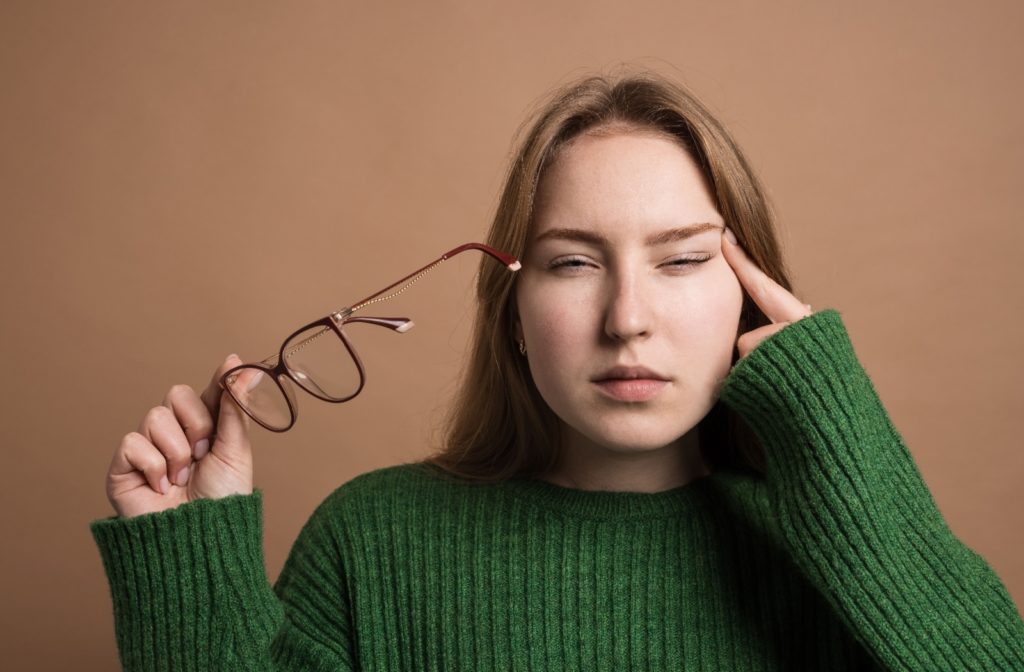
- Fatigue. If your prescription is off, your eyes have to work harder, making you more prone to tension, tired eyes, and headaches.
- Night Vision. Streetlights and car headlights may look stretched out or have large halos around them at night.
How to Support Eye Health & Vision
Wearing the right glasses can make a big difference to your daily comfort.
- Updated Prescription. Wearing your glasses constantly means that your eye muscles don’t have to work as hard.
- Proper Light. Turn on a desk lamp for close tasks so you don’t have to strain your eyes in the dark.
- Screen Breaks. Take regular screen breaks to look at an object far away every twenty minutes and rest your focus.
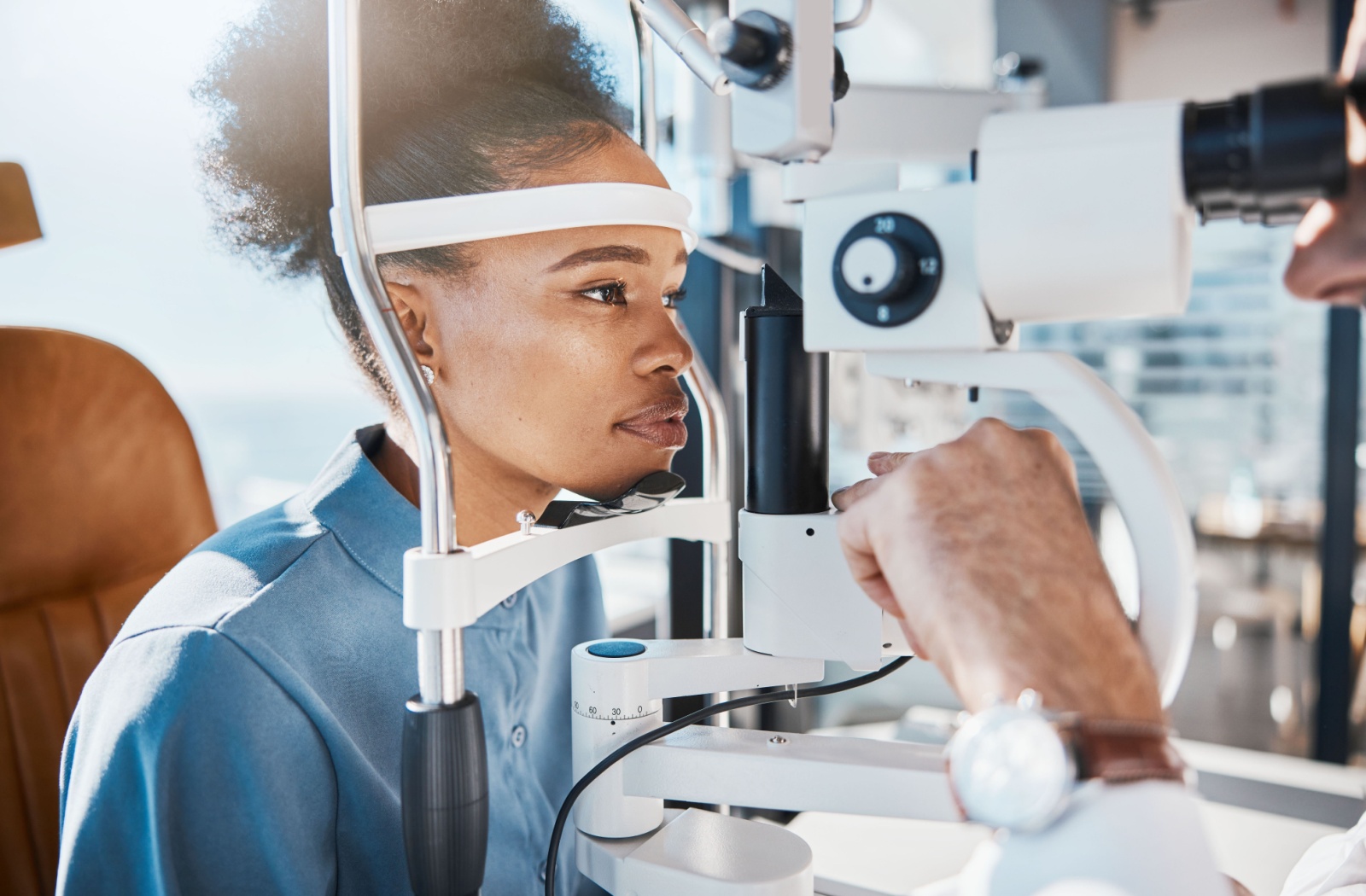
Consistent visits to the eye clinic can help you keep you ahead of unexpected vision shifts. For healthy adults, we recommend an eye exam once every 1–2 years. However, your eye doctor can provide you with a more specific appointment schedule based on your own particular needs.
Timely visits to The Eye Care Centre can help you maintain comfortable vision for both work and play. Schedule a visit with our team today to check your eye health and update your glasses.